Collaborations

Collaborate with Stan.

For programme hosts, editors, producers, companies and partners with a specific piece of business work in mind.

Bring the audience, question and contribution you want to discuss. For your own company, use Work With Stan. For event planning, use Events.

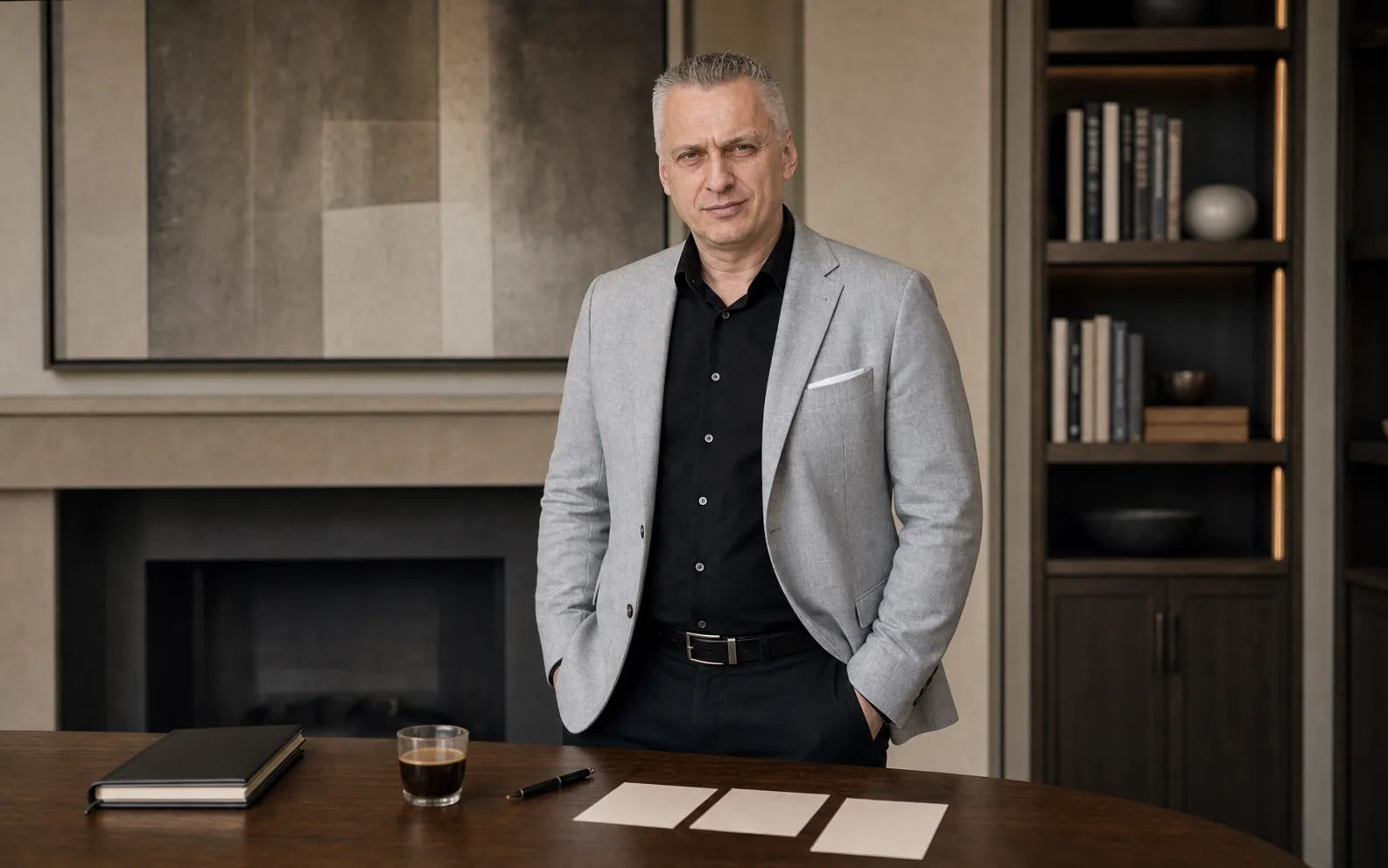
Stan Tscherenkow in a private corporate setting.
For a useful contribution Start with the people and the work.
Founder programmes

What do participants need to work on?

Business model choices, growth, suppliers and operating responsibilities are possible starting points. A guest session, office hours, mentoring and a continuing host appointment involve different commitments.

Describe the founders, their stage and the work you want help with. Agree the contribution, availability and paid or voluntary terms with Stan. A residence title requires an actual appointment by the host.

An office-hours question

Illustrative: a founder wants a second supplier after one late order. Ask what failed, how often it matters, and whether the proposed backup can make the product. More suppliers may also require more cash, inspection and coordination.

A useful follow-up note

“Check the original delay and the backup's production evidence before moving volume. Name who will investigate, what they need and when to review it.” The founder keeps the decision. See the supplier guide.

This is a proposed discussion example, not a programme engagement or promised result. For a guest talk, explore the speaking topics.

Expert interviews and research

Commission a specific contribution.

Send the business question, the experience you need and how the answer will be used. We check topic fit before agreeing the work.

A paid expert interview

A focused conversation on a topic Stan can speak to from relevant experience. Agree questions, preparation, length, attribution, recording and fee. An interview does not include a separate research project.

Commissioned analysis

An agreed question investigated through available records, public sources or authorised interviews. Define the evidence needed, written output, audience and deadline before starting.

Commercial or operating questions

Examine a business assumption: customer concentration, supplier dependence, delivery capacity or management responsibility. Topic fit and access matter. Legal, financial, tax and investment advice remain outside the work.

What a useful evidence note contains

Illustrative question: “Could a second supplier carry the next order?” Record what was claimed, the evidence behind it, what remains unknown and the next check. A supplier's stated capacity is not proof of available capacity for that order.

Try the interview brief or the commercial diligence evidence ledger. These explain the work; they do not imply access to confidential information or expertise in every industry.

All commissioned corporate work starts with an inquiry and a separate scope and quote. Propose expert work.

Writing and media

Read the work.

These pieces were published on this site. They show the subjects and reasoning an editor or producer can assess; they are not external commissions.

15 September 2026 · Log

Your campaign went viral. Did your business grow?

Novig's campaign and public attention were documented. Customer return was not established by the sources checked for the piece. The analysis separates a visible reaction from an unknown commercial result.

2 October 2026 · Log

You put off the job. Now you avoid the calls.

How a delayed commitment can become a false update, a strained relationship and more work. Finish what you agreed, correct the story, and set better boundaries next time.

For a recorded conversation, hear Stan in an archived podcast interview.

Two questions for a future piece

When does a second supplier reduce risk? Compare the original failure with the backup's actual capacity, qualification work and cash requirement. Product and order evidence would be needed before drawing a conclusion.

What does a viral campaign leave behind? Examine the customer action, attribution limits and continuing commitments. A new analysis would need current campaign facts and permission to use any private results.

Use the expert-interview guide to plan questions and record what needs verification.

These are proposed questions. For an article, interview or separate analysis, send the outlet, audience, subject, format and deadline. Discuss evidence access, attribution, revisions, recording and usage terms before any work is agreed. Read Stan's background.

Joint work

Agree who contributes what.

An introduction is different from shared teaching, analysis or client delivery. Describe the part you want Stan to carry alongside your team.

Illustrative joint session: a host brings an industry audience and supplier context. Stan contributes a business-options exercise. A qualified technical specialist handles production requirements; participants decide what applies to their own companies.

Prepare

The host agrees the audience and supplies usable facts. Stan and the host choose the business question and reading. Agree permission before using client information.

Contribute

Name who presents each part and answers each type of question. A client sponsor keeps company decisions; the partner relationship does not transfer authority automatically.

Follow through

Assign follow-up questions and any further work. Agree client communication, fees, attribution and use of materials. This example establishes no partnership or licence.

For a defined company assignment, read about consulting or advisory. Referrals and private introductions can use the same inquiry below.

Propose collaboration

Tell me what you have in mind.

Who is it for, what contribution do you need, and when? A short, specific proposal is enough to start the conversation.

Include the practical details.

Name your organisation or outlet, the people involved, the topic, timing and the part you would like Stan to consider. All corporate work starts with an inquiry and a separate scope and quote.