AI-for-X · lawyers
Three lawyers have already been sanctioned for citing cases that did not exist. The risk is not that AI is unusable. The risk is that it is fluent, confident, and wrong on exactly the surface lawyers are paid for. This manual draws the line, names the workflows, and gives you the second-brain stack a small firm can actually run.
Read the scope Founder-side legal craft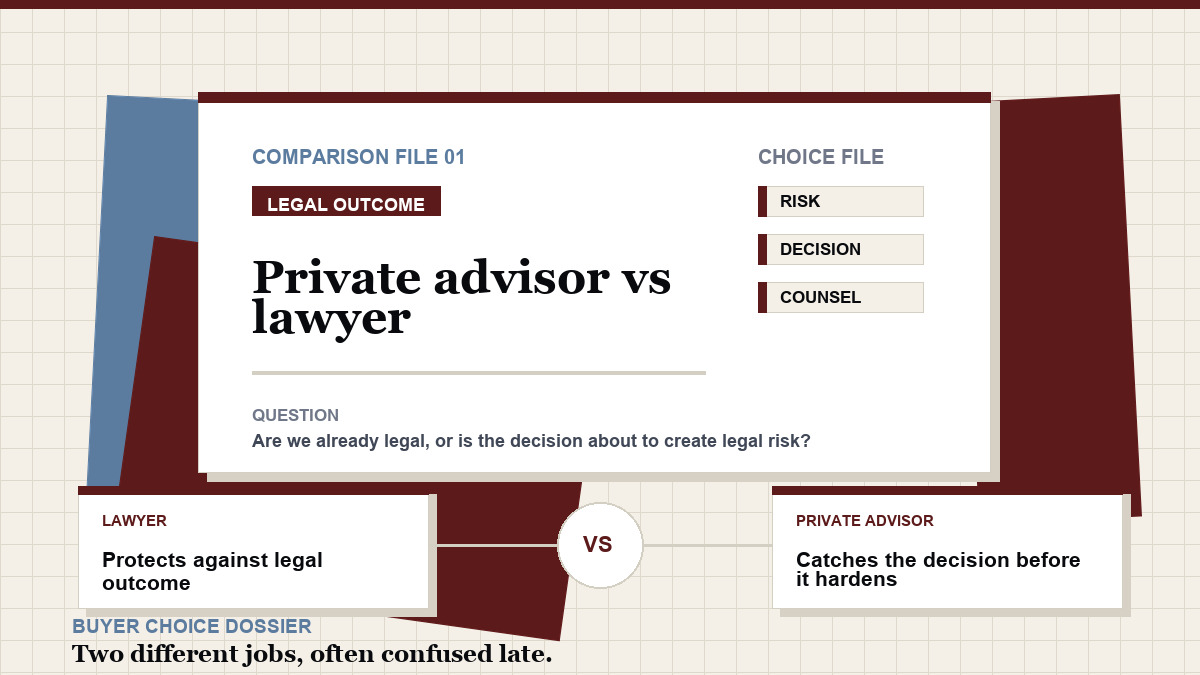
What this work actually is
AI for lawyers is the deliberate use of LLMs on the research, drafting, review, and document-automation work that surrounds the legal opinion. It does not write the opinion. It does not sign the brief. It does not appear in court.
The hard floor is set by the bar. Privilege, confidentiality, competence, and supervision are not negotiable, and no vendor terms shift the duty back to the model. Workflows that respect the floor compound. Workflows that do not produce sanctions.
An AI hallucinated case is the same misconduct as a lawyer-invented case. The bar does not care which keyboard typed it.
The scope
What changes when this is done well
What you need before you start
01 · Enterprise-tier model with a no-train clause
Consumer chats are out. Review the actual terms; default to vendors that contractually do not train on your inputs and offer a tenant your firm controls.
02 · A written firm policy
Signed by every fee earner, refreshed annually. The policy is what supervisory duty looks like in writing.
03 · A redaction discipline
Even on the enterprise tier. Belt-and-braces. The discipline survives vendor changes; the vendor terms do not.
04 · A citation verifier in the loop
Use a verified-research provider, an internal checklist, or a paralegal. The verification is the workflow, not an afterthought.
05 · An engagement-letter clause
What AI touches, how it is verified, the right to opt out. Drafted with risk counsel, versioned, archived.
The split workflow
Human owns
Jurisdiction, parties, posture, the actual issue under the facts. Done by the lawyer, in the file, before any prompt.
AI assists
From a tightly-framed brief, the model produces a research outline and candidate authorities. The output is treated as a hypothesis, not a citation.
Human owns
No exception. Every case the model named is pulled, review, and confirmed to say what the model claimed it says.
AI assists
Where the verified-research provider supports it, AI builds the cite block and pulls headnotes. Cuts the lookup cost without removing the lawyer's review.
Human owns
What the deal actually is, what the client cares about, where to push, where to fold. Owned by the lawyer.
AI assists
Standard clauses flagged, deviations highlighted, missing clauses surfaced. The lawyer reviews the diff and makes the call.
Human owns
What is responsive, what is privileged, what gets logged. Lawyer-and-paralegal work.
AI assists
Keyword and category sort across large doc sets, with the lawyer setting the rules and reviewing every privileged-flagged item.
Human owns
Bad-news letters, settlement recommendations, fee disputes. Drafted and sent by the lawyer.
AI assists
From the lawyer's notes, the model produces a draft in the firm's voice. Lawyer edits. Lawyer sends.
Human owns
The lawyer's name on the document is the lawyer's professional warranty. AI does not sign.
AI assists
The mechanical clean-up that paralegals once owned. AI handles. Lawyer reviews. Lawyer signs.
How to know AI is hurting the firm
A citation in a brief was not opened by a human.
The verifier step decayed. Stop, audit the last thirty days of filings, and rebuild the rule before the next filing.
Client material went into a non-enterprise model.
A confidentiality breach. Disclose to the client per state rules; review the leak, retrain the team, tighten the redaction macro.
A non-client got legal advice from a public-facing chatbot the firm runs.
Unauthorized-lawyering exposure. Pull the chatbot, audit the transcripts, talk to risk counsel.
A junior associate is shipping memos without a senior review.
Supervision duty has slipped. Restore the partner-on-every-output rule for the next quarter.
The AI usage log has not been reviewed in six weeks.
The supervisory artifact is not being supervised. Schedule the review on the calendar; treat the log as a regulator-grade document.
A client asked whether AI touched their matter and the firm could not answer cleanly.
The disclosure clause is too vague or the workflow log is missing. Fix both before the next intake.
Tools and tactics
The brain is the supervisory artifact. It is also what makes the AI workflow auditable when someone asks.
One folder per matter. Firm policy pinned at the top. Voice file for client communications. Named brief blocks for research, contract review, doc automation, plain-English client letter. Citation verifier in the loop. AI usage log filed against every matter. Quarterly regulator-grade review of the log.
Documented in full inside the engagement · teaser here
One page. How the firm writes letters and memos. Tone, refusal rules, banned phrases. Loaded as the system prompt for every drafting workflow. Stops the firm voice from collapsing into a generic legal voice across associates.
One sentence in the firm policy: no brief leaves the firm without every cited authority opened by a human and confirmed to say what is claimed. Enforced as a checklist on every filing.
One paragraph in the engagement letter. Plain English. Names which workflows touch AI, how the firm verifies output, the client's opt-out right. Drafted with risk counsel, versioned with the firm policy.
What this work is not
The throughput is on workflow. The professional warranty is on the lawyer's signature. The comparison page sets the structural difference between protecting from outcomes and reviewing the decision before the outcome forms.
Review advisor vs. lawyer →When the firm question is the wrong question
Stan reviews each request for fit. All corporate work starts with an inquiry and is quoted separately. Stan confirms the people, stakes, scope, and fee in writing before work starts.
Apply for business coachingWork with me · $1,500/month 1:1 business work · Request scope
