

You already have enough input.
You have had the book. The podcast. The dashboard. The consultant sentence. The founder thread. The AI summary. The friend with a confident opinion after two drinks.
Fine.
The business did not stall because nobody gave you another angle.
It stalled because nobody challenged the ceiling you started treating as normal.
The first ceiling felt like progress. Revenue went up. The team grew. The business became real enough to create habits. Then the habit became the container.
You got good at running inside it.
Very good.
That is the annoying part.
What does the owner need here?
Not more input. The owner needs challenge, pushback, and a rhythm strong enough to keep the business from falling back to the old ceiling after one good conversation. The test is not whether the owner understands the pattern. The test is whether the company behaves differently after the pattern is named.
Most owners do not hit the ceiling once.
They hit it, bounce down, reorganize, recover, get angry, get motivated, grow again, and hit the same ceiling with better vocabulary.
The yo-yo looks like business cycles from the outside.
Inside, it feels more personal.
There was a time when the company had adrenaline. Everything mattered. Every sale counted. Every problem had heat in it.
Then routine arrived.
Useful routine at first.
Then dead routine.
The company stopped challenging the owner. The owner stopped challenging the company. Everyone learned the limit and called it maturity.
Grow.
The business has heat. The owner is close to every important move.
Hit the ceiling.
The same decisions start returning, but now under cleaner labels.
Reset.
Motivation comes back. The routine gets rebuilt. The old limit is still protected.
Return.
The company meets the same owner behavior at a larger size.
The fashionable answer is to tell founders to step aside.
Sometimes that is right.
Sometimes the founder is tired, the company needs another operating style, and the cleanest move is to stop pretending the same behavior will carry the next phase.
But that is not the only answer.
The owner does not always need to leave.
The owner often needs to change the behavior inside the company before the company forces the change in a more expensive way.
The problem is not that you lack structure. The routine stopped confronting you.
The business knows your ceiling.
Your team learns which ideas survive, which questions get punished, and which decisions quietly return to your desk.
The routine killed the heat.
What used to feel like building now feels like maintaining. The business still moves, but it no longer pulls a stronger version of you into the day.
The change needs rhythm.
One big conversation can wake the pattern up. A monthly rhythm keeps it from crawling back into the walls.
Accountability is a weak word when it means a checklist.
This is not that.
The useful kind is sharper.
It asks why the obvious next move has been avoided for six months.
It notices when the owner is buying another tool because a harder conversation would cost more pride.
It catches the moment the company asks for a decision and the owner hides inside more preparation.
It brings the adrenaline back because the ceiling is no longer allowed to stay polite.
“I know my business better than anyone.”
True, and sometimes exactly why nobody challenges the pattern
“We already have structure.”
Good. Now check whether that structure can push back on the owner
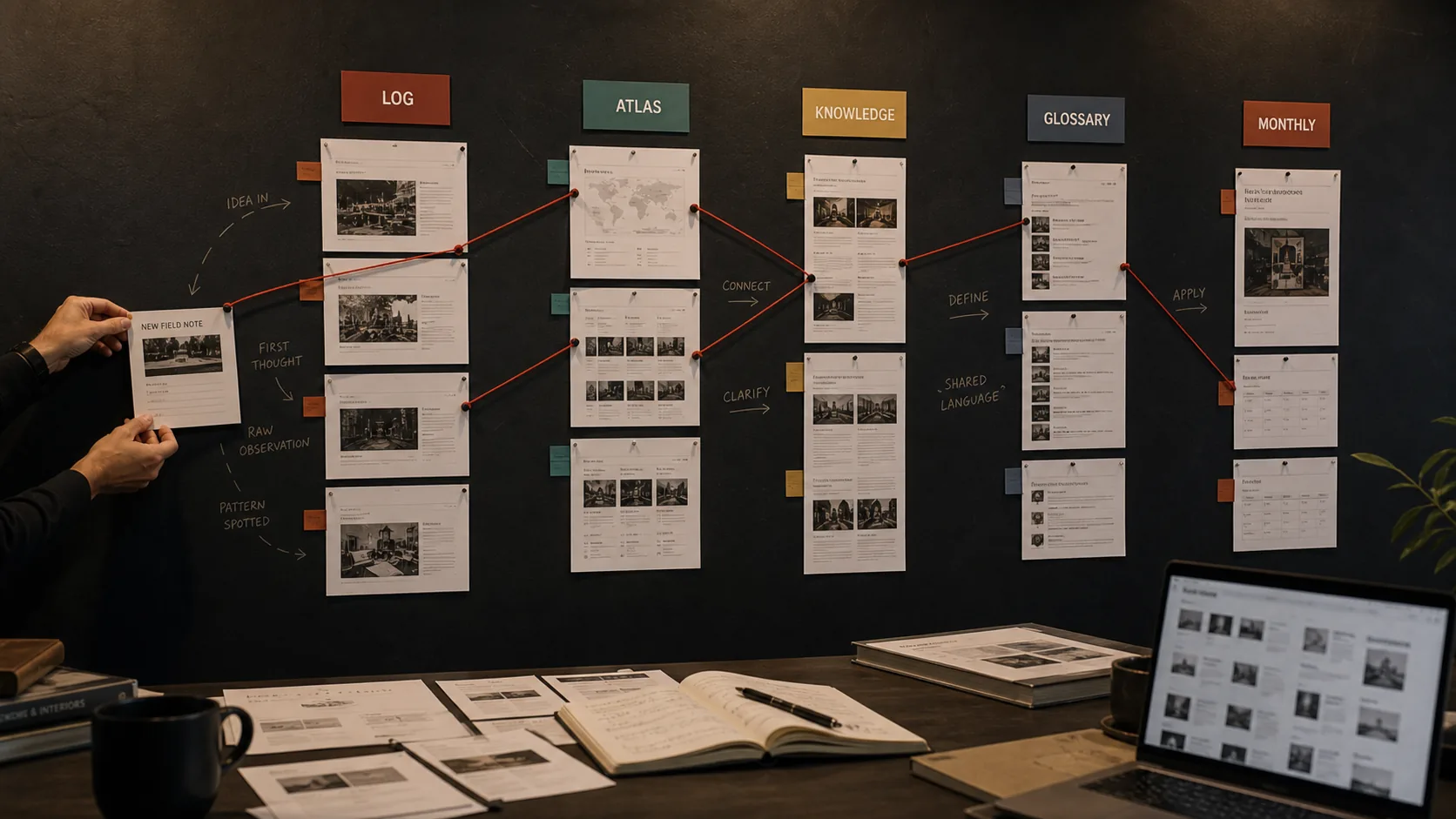
Do not turn the idea into a pitch. Put it where it belongs.
Use this when tools, people, and methods keep hitting the owner limit.
AtlasOwner dependenceUse this when decisions still need the owner before work can move.
KnowledgeStop everything waitingUse this when one approval point keeps pulling work back.
GlossarySMART targetsUse this when the next move needs a proof check, not a mood check.
This is where coaching has to be honest.
If coaching becomes softer input, it joins the pile.
If it becomes weekly motivation with softer sentences, it makes the business worse.
The valuable work is the opposite.
Challenge the ceiling.
Name the repeated behavior.
Hold the line after the first emotional clarity fades.
Keep asking what changed inside the company, not only what the owner understood during the call.
One conversation can name the pattern.
The harder part is what happens after the emotional clarity fades.
That is where rhythm matters: the next proof, the next return, the next moment where the owner either changes the behavior or protects the old ceiling again.